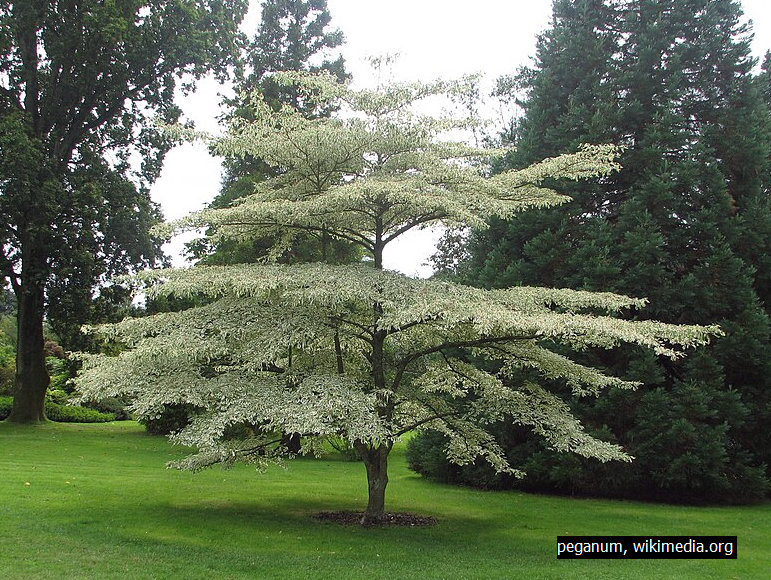
white flowers bloom on a tree

Small Trees

Shorter trees are required when planted underneath wires or other obstructions. The list below details various trees that should do well in these special circumstances.

  • Hardy and attractive.
  • Tolerates acidic and alkaline soil as well as road salt.
  • Sensitive to drought conditions, poor drainage, and air pollution.
  • Native to Japan and Korea.

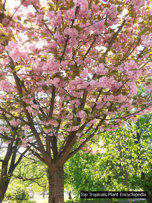
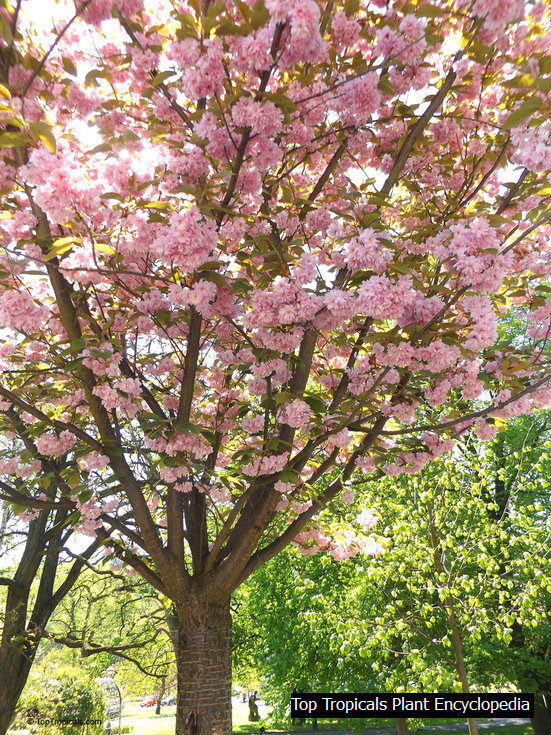
Pink Flair Sargent Cherry
Prunus sargentii

  • Red-orange fall color
  • Height: 25'

__

Description Source: The Morton Arboretum.

  • Beautiful two-week show of flowers in May.
  • Some can be prone to diseases such as scab, fire blight, rust, leaf spot, and powdery mildew.
  • Cultivars listed here are more disease-resistant, and many will hold their fruit throughout the winter.

Spring Snow Crab
Malus 'Spring Snow'

  • White flowers and no fruit
  • Rust resistant
  • Height: 20-25'

Cardinal Crab
Malus x 'Cardinal'

  • Purple foliage
  • Flowers red, fading to pink
  • Excellent disease resistance
  • Height: 10-18'

Prairie Rose
Malus ioensis (Wood) Britt.

  • Pink or white flowers.
  • Fruit are yellow-green crabapples.
  • Height: 20-30'

__

Description Sources: NDSU Woody Plant Improvement Program, Morten Arboretum, and Stearns County Soil and Water Conservation District.

  • Has white flowers in spring and leaves turn orange or red in the fall.
  • Tolerant to alkaline and acidic soils, but is sensitive to salt.
  • Tolerant of drought conditions and air pollution.
  • Red fruit persists through the winter.

Thornless Cockspur Hawthorn
Crategus crus-galli var. inermis

  • Thornless
  • White flowers
  • Good fall color
  • Tolerant of alkaline soils
  • Height: 25'

Crusader Hawthorn
Crategus crus-galli var. 'Cruzam'

  • Thornless
  • Multi-stemmed
  • Height: 25-35'

Snowbird Hawthorn
Crataegus x mordenensis 'Snowbird'

  • Very hardy
  • White flowers in spring
  • Good disease resistance, but has thorns

__

Description Sources: Morton Arboretum, Missouri Botanical Garden, and TLCGarden Plant Finder.

  • Tolerant of urban conditions.
  • Clusters of white flowers.
  • Attracts pollinators.

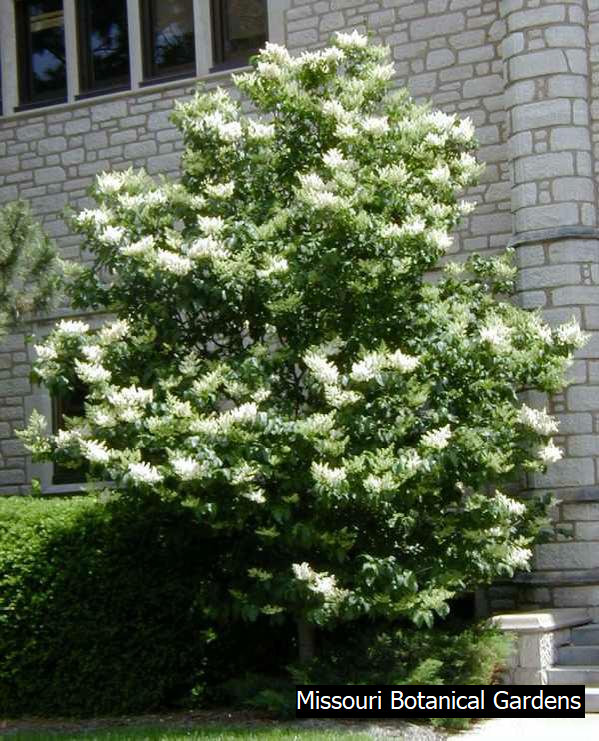
Ivory Silk Japanese Lilac
Syringa reticulata 'Ivory Silk'

  • Showy white flowers
  • Rounded crown
  • Adaptable tree for a variety of uses
  • Height: 20-25'

__

Description Source: The Morton Arboretum.

  • Prefers alkaline soil, moist and well-drained.
  • Small tree or multi-stemmed shrub.
  • Adaptable to full sun or partial shade.
  • White flowers later turning to edible berries in fall.
  • Caterpillar and larvae host of spring azure butterfly.
  • Native to Minnesota.

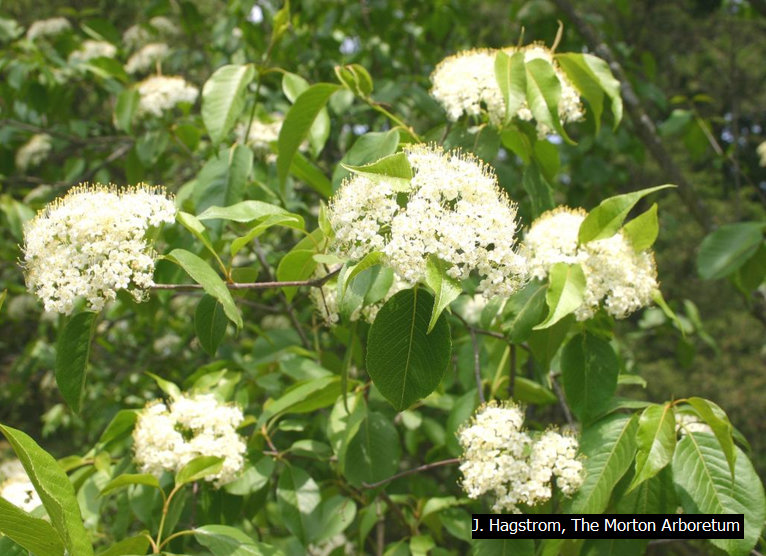
Nannybear
Viburnum lentago

  • Multi-stemmed height:14-16'
  • Single-stemmed height: 30'
  • Berries persist into winter.

__

Description Sources: Missouri Botanical Garden and The Morton Arboretum.

  • Introduced from northeastern Asia.
  • pH adaptable, but not tolerant of salty soil.
  • Should be protected from rabbit and mice browse.
  • Some of the first trees to flower

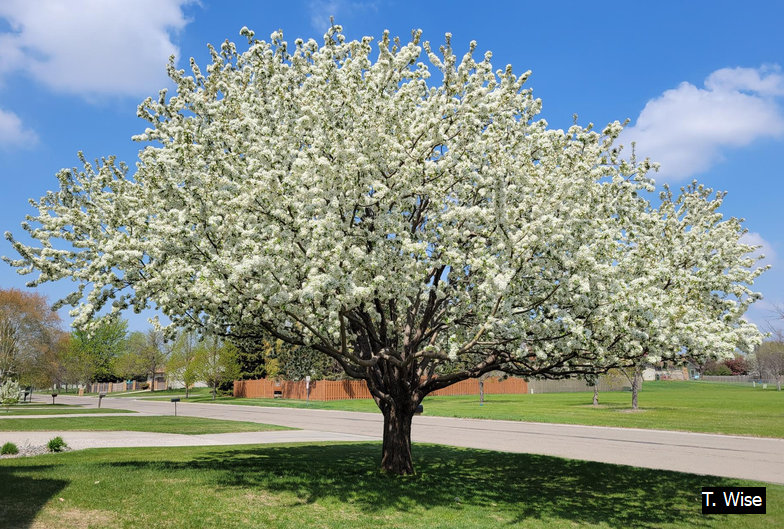
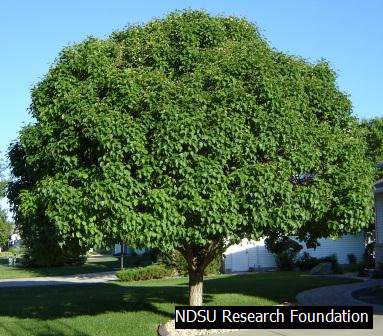
Prairie Gem Pear
Pyrus ussuriensis 'Mordak'

  • White flowers
  • No fruit unless another pear is near to pollinate
  • Hardiest of ornamental pears
  • Tolerant of urban pollution
  • NDSU introduction
  • Height: 25'

Mountain Frost Pear
Pyrus ussuriensis 'Bailfrost'

  • Ornamental tree
  • White flowers
  • Burgundy fall color
  • Bears fruit
  • Height: 30'

Korean Sun Pear
Pyrus faurei 'Westwood'

  • Ornamental tree
  • Red fall color
  • Fruits are inedible
  • Height: 20'

__

Description Sources: NDSU Woody Plant Improvement Program, Gertens, and Gardening Know How.

  • Serviceberries can be grown as shrubs, multi-stemmed trees, or single-stemmed trees.
  • White flowers in spring, fruit is edible.
  • Fruit can be used in jams, jellies, and pies.
  • Attractive to pollinators and other wildlife.
  • Does best in soil pH 5.5-7, but can tolerate higher pHs.
  • Native

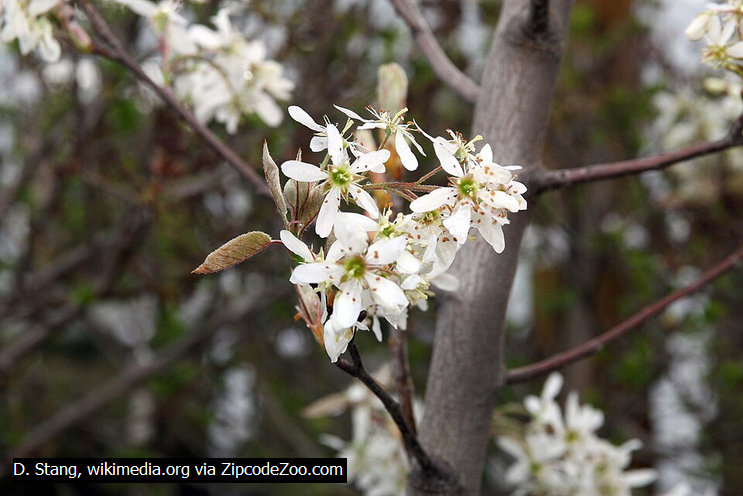
Autumn Brilliance Serviceberry
Amelanchier x grandiflora 'Autumn Brilliance'

  • Reddish fall color
  • Rounded growth habit
  • Red fall color
  • Drought tolerant
  • Height: 25'

__

Description Source: University of Minnesota Extension.

  • Loved by pollinators and birds.
  • Tiered branching structure.
  • Prefers well-drained, moist, acidic soil.
  • Grows 15-25 feet tall.
  • Native to Minnesota.

Pagoda Dogwood
Cornus alternifolia

  • Can be a small tree or a shrub
  • Most dogwoods have an alternate leaf pattern, but pagoda has an opposite leaf pattern.

__

Description Source: The Morton Arboretum.